| Electronic medicine, which uses energy like electricity or magnetic fields to stimulate the brain and nerves for therapeutic effects, is rapidly growing across various fields. Electronic medicine offers advantages over conventional chemical medications, including fewer side effects and real-time measurement and response capabilities, as it directly stimulates the affected nerves. While previously used primarily in devices like pacemakers, electronic medicine is now showing potential for treating various conditions, including depression, attention deficit hyperactivity disorder (ADHD), and Alzheimer's disease, driving market growth. 
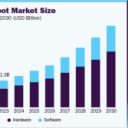
According to market research firm MarketsandMarkets, the global electronic medicine market is projected to grow from $23.9 billion in 2024 to $33.6 billion by 2029. Electronic medicines are categorized as invasive, requiring implantation, and non-invasive, worn externally. Invasive electronic medicine includes pacemakers and deep brain stimulators. Non-invasive electronic medicines primarily utilize electricity or magnetic fields to activate or inhibit brain nerve activity. These devices send electrical stimulation to the skull through electrodes, triggering specific nerve cells and inducing physiological or psychological changes. Examples include: - ADHD treatment patches for the ear
- Arthritis treatment bracelets
- Electronic medicines that use ultrasound to stimulate specific brain areas or light to inhibit or activate nerves.
Recent studies indicate that non-invasive electronic medicine stimulating the brain is effective for various conditions. Researchers at the University of Surrey in the UK reported that a device developed by US company Tech Infosphere Engineering alleviated ADHD symptoms in children. This device uses transcranial random noise stimulation to activate less active brain areas. 55% of children who received electrical stimulation showed improvement in ADHD standard tests, compared to 17% in the control group that did not receive stimulation. Researchers at Ningbo University Medical School in China reported that transcranial direct current stimulation improved cognitive function in Alzheimer's patients. In a trial involving 124 Alzheimer's patients aged 65 and older, those who received prefrontal cortex stimulation for six weeks showed improved memory and cognitive function compared to the control group. In June 2023, South Korean healthcare company WiBrain received US Food and Drug Administration (FDA) approval for its migraine treatment device "DuPang," a non-invasive electronic medicine. The device, a finger-sized patch applied to the forehead, uses electrical stimulation to calm nerves and relieve migraines. WiBrain previously received regulatory approval in South Korea for its "MindStim" device in 2021, which uses electrical stimulation to treat depression. This device has been prescribed over 80,000 times in 130 hospitals and clinics across South Korea. WiBrain officials noted that "MindStim demonstrated a higher effectiveness in improving depressive symptoms than antidepressants in clinical trials," and they are pursuing FDA approval. 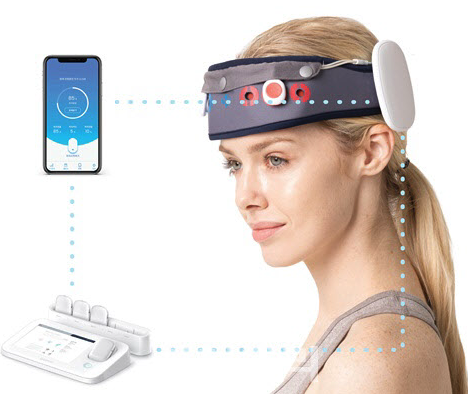
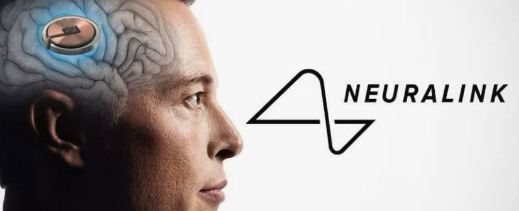
South Korean electronic medicine company Remed has launched "BrainStim," a magnetic field depression treatment device, and is also developing an Alzheimer's treatment device using the same technology. Brain-computer interface (BCI) technology, which involves directly implanting electrodes in the brain, is also advancing. Neuralink, founded by Elon Musk, released a video showcasing a participant in its first clinical trial playing chess wirelessly through a brain-implanted chip. A joint research team from the University of California, Davis, Massachusetts General Hospital, and Brown University Medical School implanted 256 electrodes in the cortical region of a patient with amyotrophic lateral sclerosis (ALS), who had quadriplegia and speech impairments. The researchers successfully identified the patient's intended sentences using the implanted electrodes and translated them into speech using AI, allowing the patient to communicate verbally.
Associated Data Regarding Global Electronic Medicine:
Market Growth and Potential:
- Rapid growth across various fields: Electronic medicine is experiencing a surge in popularity due to its effectiveness in treating various conditions.
- Projected market value: The global electronic medicine market is expected to reach $33.6 billion by 2029, reflecting significant growth from $23.9 billion in 2024.
- Advantages over conventional medications: Electronic medicine offers benefits such as fewer side effects and real-time measurement and response capabilities, as it directly stimulates affected nerves.
Types of Electronic Medicines: - Invasive: These require implantation, such as pacemakers and deep brain stimulators.
- Non-invasive: These are worn externally and primarily utilize electricity or magnetic fields to activate or inhibit brain nerve activity.
- Examples include:
- ADHD treatment patches for the ear
- Arthritis treatment bracelets
- Devices using ultrasound to stimulate specific brain areas
- Devices using light to inhibit or activate nerves
Examples of Non-invasive Electronic Medicine Applications: - ADHD treatment: A device developed by Tech Infosphere Engineering utilizes transcranial random noise stimulation to activate less active brain areas, demonstrating improvement in ADHD symptoms in 55% of children.
- Alzheimer's disease treatment: Transcranial direct current stimulation has shown to improve cognitive function in Alzheimer's patients, with a trial demonstrating improved memory and cognitive function in those who received prefrontal cortex stimulation.
- Migraine treatment: WiBrain's "DuPang" device, a finger-sized patch applied to the forehead, uses electrical stimulation to calm nerves and relieve migraines, receiving FDA approval in June 2023.
- Depression treatment: WiBrain's "MindStim" device utilizes electrical stimulation to treat depression and has been prescribed over 80,000 times in South Korea.
- Remed's "BrainStim" device uses magnetic fields to treat depression.
Advancements in Brain-Computer Interface (BCI) Technology:
Key Takeaways:
- Electronic medicine is rapidly expanding: This innovative technology is experiencing significant growth across various medical fields.
- Electronic medicine offers advantages over traditional medication: It provides fewer side effects and real-time feedback, directly stimulating affected nerves.
- Applications are diverse: Electronic medicine holds potential for treating a wide range of conditions, including ADHD, Alzheimer's disease, depression, and migraines.
- Non-invasive electronic medicine shows promise: Devices using electricity, magnetic fields, ultrasound, and light are proving effective in treating various conditions.
- Brain-computer interface (BCI) technology is advancing: Neuralink's demonstration of brain-controlled activities and research enabling communication for ALS patients showcases the potential of BCI technology.
- Market growth is substantial: The global electronic medicine market is projected to reach $33.6 billion by 2029, indicating a significant investment in this innovative field.
|